


Billy Price, Managing Director, Field Services
If there’s one topic dominating conversations in field services right now, it’s AI. Everyone is hearing about it, seeing it everywhere, but many business owners still aren’t clear on what it actually means for their day-to-day operations. There’s a perception that AI will somehow “do everything for you”, but that’s also where the risk lies. Technology only delivers value if it genuinely improves the service you deliver, gives you better insight, and helps you make smarter decisions.
For many micro and independent businesses, the priority isn’t experimenting with complex tools – it’s finding slick, reliable systems that save time, reduce risk, and improve customer experience. Compliance is becoming a much bigger part of the industry too, adding further pressure to get data right. As the saying goes: if you don’t have good data going in, you won’t get good outcomes coming out, whether that’s AI-driven insight, reporting, or automation.
Looking ahead to 2026, three themes will define how field service businesses grow and compete: digital customer experience, the rise of the AI-augmented technician, and preparing for the EV transition.
Customer experience goes digital
As customers increasingly embrace digital-first interactions, field service businesses will need to reimagine how they manage the customer journey. From booking jobs online, to providing real-time updates on arrival times, and simplifying invoicing and making payments, digital tools are redefining what great service looks like.
Automation plays a big role here. Simple things like automated reminders two days before a visit, real-time updates when an engineer leaves their previous job, or an estimated arrival time can remove friction and build trust. Without these, customer experience is negatively affected and the businesses reputation impacted.
Equipping field teams with mobile apps for real-time updates, GPS tracking, and route optimisation will not only improve efficiency and transparency but also maintain trust with customers.
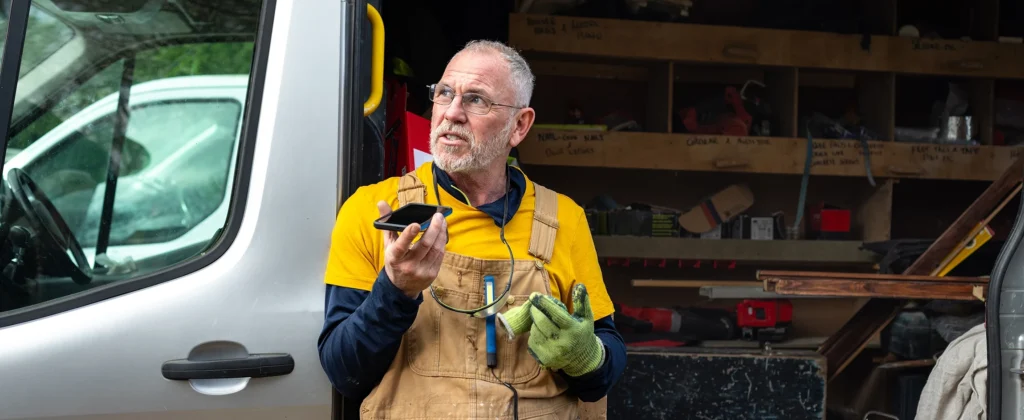
I experienced this first-hand recently when I had a breakdown engineer coming out to fix a central heating pump. I had to ring in the morning to check they were coming, only to realise it would take a couple of hours before they arrived. Because I have an electric gate and was working all day, I asked them to ring me when they left their previous job so I could open it and guide them in. If that hadn’t happened – and if communication wasn’t easy – it could easily have turned into a wasted visit. However this interaction could have been greatly improved by automation, eliminating the need for me to ring in the first place and ultimately making a big difference to my customer satisfaction.
Customer portals are becoming increasingly important too, particularly for B2B customers. Having round-the-clock access to job history, invoices, and service records, even outside working hours, reduces inbound calls and gives customers confidence and control. When customers can self-serve basic information, your teams can focus on completing their jobs, not chasing paperwork.
Equipping field teams with mobile apps for real-time updates, GPS tracking, and route optimisation will not only improve efficiency and transparency across teams but also maintain trust with customers, encouraging repeat business. In short, 2026 will be about giving customers more control and confidence, while making field operations smoother and smarter.
Workforce evolution: the rise of the digitally-augmented technician
The workforce challenge in field services isn’t just about recruitment – it’s about productivity, knowledge retention, and consistency. With nearly one in four construction workers over 55, many skilled workers are heading toward retirement. As the next generation steps in, they bring a natural appetite for digital tools that enhance productivity and workflows, but also a gap in knowledge.
First-time fix rates are a great example. For installers and service teams, getting the job right first time directly impacts profitability, customer satisfaction, and operational efficiency. When first-time fixes drop, businesses lose money through repeat visits, wasted parts, and frustrated customers. Measuring and improving this is becoming increasingly important as workforce pressures grow. AI and other digital platforms can democratise knowledge, turning newer recruits into highly effective digitally-augmented technicians.
AI will support this in several ways. Behind the scenes, data can be used to identify trends, optimise scheduling, match skills to jobs, and support better decision-making, with a human always sitting at the end of the decision. A system might recommend that a technician is best suited for a particular job, but it’s still the business making the final call.
Used properly, AI enhances capability rather than replacing people, raising service standards and strengthening customer relationships.
AI can also help businesses react more quickly to their customer base through AI agents that respond to routine queries, improving responsiveness and engagement without increasing headcount. Used properly, AI enhances capability rather than replacing people, raising service standards and strengthening customer relationships.
There’s also a big opportunity around training and continuous improvement. Many businesses don’t yet fully tap into digital tools that support in-app guidance, walk-throughs, and role-based learning. Simple prompts like “click here to complete this task” or tailored training modules based on job role can significantly improve adoption and confidence, helping teams get more value from the systems they already use.
By 2026, businesses that invest in technology, like automated invoicing, real-time job updates, and mobile task management, will be able to train staff faster, improve safety, and deliver better customer outcomes. This isn’t just about productivity – it’s about attracting and retaining talent in an industry where skilled workers are in short supply.
Preparing for the EV transition
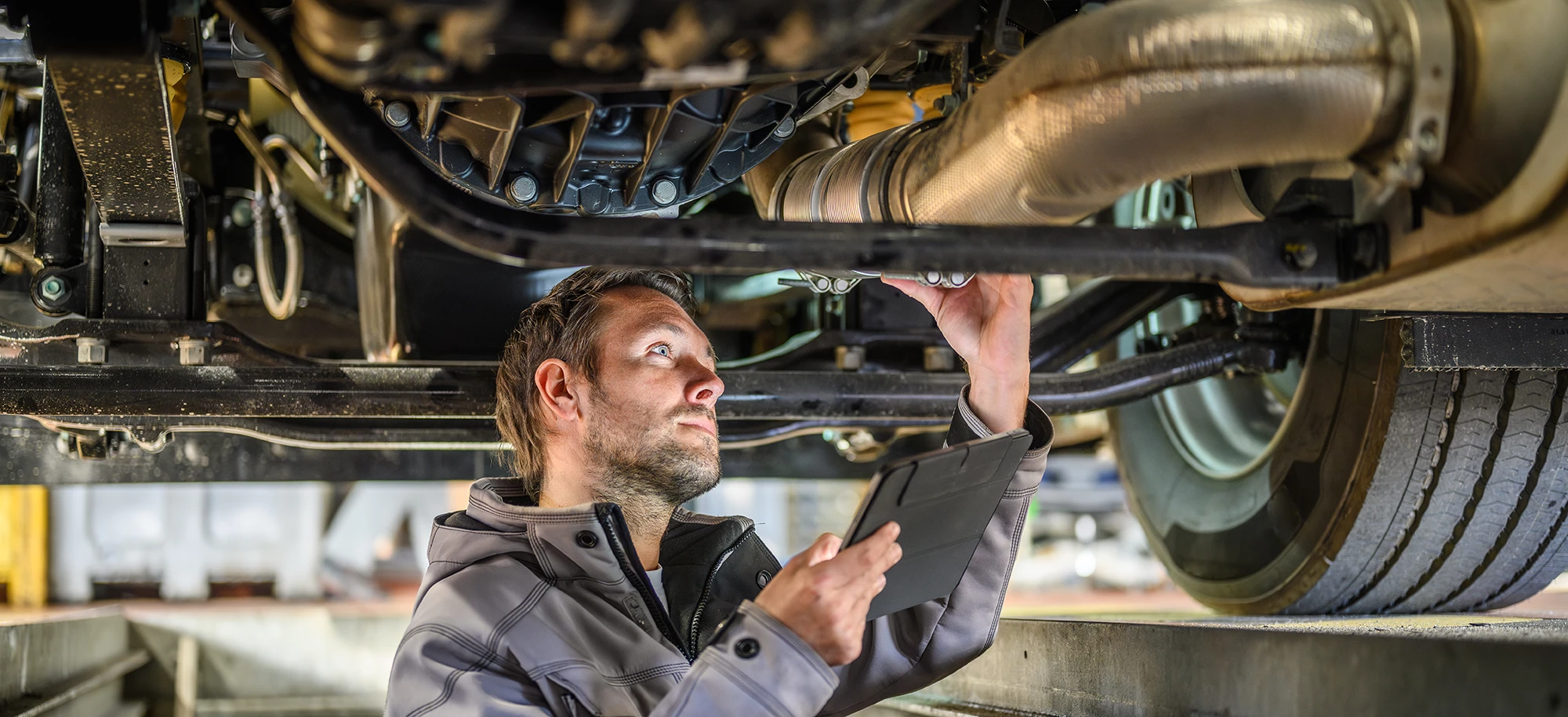
The shift to Electric Vehicles (EVs) is set to reshape independent garages.
Our GDS team have been on the road visiting customers over the last few months, and something we’ve learnt is that more consumers are trusting independent garages to service and repair nearly new vehicles as main dealer prices continue to rise. However, EVs also squeeze margins – they typically require less servicing and fewer mechanical repairs, meaning garages may need to process significantly higher volumes of vehicles to maintain the same level of profitability.
That raises an important operational question: do you have the systems in place to manage higher throughput efficiently? To maintain margins, businesses will need reliable scheduling, faster invoicing, better visibility of technician utilisation, and tighter control of workflows. Without the right systems, increased volume can quickly overwhelm teams rather than drive growth.
While EVs still represent a smaller segment of the market, the UK Government has mandated that 80% of new car sales must be zero-emission by 2030 and 100% by 2035. In 2026, garages will need to start investing in EV infrastructure, equipment, and training to keep pace with this transition.
EV readiness isn’t just about tools and training; it’s about having the operational backbone that allows you to scale efficiently and profitably in a changing market.
Final thoughts
AI, digital experience, workforce evolution, and EV readiness are not isolated trends — they’re all connected by one underlying requirement: strong data, integrated systems, and practical technology that delivers real-world value. 2026 will be a pivotal year for field services. Success will come from embracing technology to:
- Deliver transparent, proactive, and digitally-enabled customer experiences
- Train and empower the next generation of technicians
- Prepare for the EV transition with the right tools, infrastructure, and skills
At ClearCourse, we see ourselves as a partner, not just a supplier. Our success is directly tied to our customers’ success. We work alongside field service businesses to help them grow sustainably, improve customer experience, support their teams, and navigate change with confidence.
